Ginger (生姜 Shēng Jiāng) is one of the most iconic foods in Traditional Chinese Medicine (TCM). Used for over 4,000 years as both food and remedy, it appears in the Shang Han Lun (伤寒论) by Zhang Zhongjing as a key ingredient in numerous therapeutic formulas. In Chinese dietetics, it is indispensable for expelling Cold, warming the Centre and relieving many ailments — including certain types of headaches.
Energetic Profile of Ginger in TCM
Thermal Nature and Flavour
Fresh Ginger (生姜 Shēng Jiāng) has a well-defined energetic profile:
- Nature: Warm (温 wēn)
- Flavour: Pungent (辛 xīn)
- Target meridians: Lung (肺 fèi), Spleen (脾 pí), Stomach (胃 wèi)
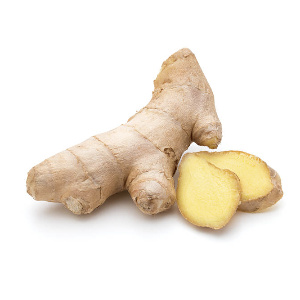
The pungent flavour has a dispersing and mobilising action. It promotes the circulation of Qi (气 qì), opens the pores and pushes pathogens outward. The warm nature heats the interior, which distinguishes it from frankly hot spices like cinnamon.
“Fresh Ginger warms the Stomach, expels superficial Cold and harmonises the Centre.” — Huangdi Neijing (黄帝内经)
Therapeutic Actions in TCM
| Action | Clinical application |
|---|---|
| Disperses Wind-Cold | Colds, chills, headaches from external invasion |
| Warms the Stomach | Nausea, vomiting, epigastric pain from Cold |
| Harmonises the Centre | Digestive disorders, morning sickness |
| Transforms Cold-Phlegm | Cough with white mucus, sensation of heaviness |
| Detoxifies | Neutralises certain toxic plants and foods |
Fresh Ginger vs Dried Ginger: A Crucial Distinction
In TCM, these two forms of the same food have radically different profiles:
Fresh Ginger (生姜 Shēng Jiāng)
- Nature: Warm
- Primary action: Disperses external Cold, body surface
- Ideal for: Onset of colds, nausea, Stomach harmonisation
Dried Ginger (干姜 Gān Jiāng)
- Nature: Hot
- Primary action: Warms internal Cold, body centre
- Ideal for: Cold-type diarrhoea, cold extremities, chronic abdominal pain
This distinction is fundamental for headaches in TCM: fresh ginger suits headaches from Wind-Cold invasion (acute pain, stiff neck), while dried ginger is indicated for Cold Stagnation in the Liver meridian (syndrome 6), a rare headache felt at the vertex.
Modern Nutritional Composition
| Nutrient | Per 100g fresh | Role |
|---|---|---|
| Gingerols | 1-3% | Anti-inflammatory, antiemetic |
| Shogaols | Traces (↑ with cooking) | Potent antioxidant |
| Vitamin B6 | 0.16 mg | Nervous metabolism |
| Manganese | 0.23 mg | Enzymatic antioxidant |
| Magnesium | 43 mg | Muscle relaxant, anti-migraine |
| Potassium | 415 mg | Electrolyte balance |
What Science Says (2020-2026)
Modern research validates many traditional uses of Ginger:
- Anti-inflammatory: Gingerols inhibit COX-1 and COX-2 enzymes, with a mechanism similar to NSAIDs, without the adverse gastrointestinal effects.
- Anti-migraine: A study published in Phytotherapy Research (2021) showed that 250 mg of ginger extract taken at the onset of a migraine attack was as effective as 50 mg of sumatriptan.
- Antiemetic: Proven efficacy (Level A) for pregnancy nausea and chemotherapy-induced nausea.
- Effects on Blood (血 xuè): Anti-platelet aggregation properties, favourable for circulation.
Practical Applications in Dietetics
Therapeutic Recipes
Ginger-Spring Onion Decoction (Shēng Jiāng Cōng Bái Tang) For: Onset of cold with headache, chills, absence of perspiration
- 3-5 slices of fresh ginger
- 2-3 spring onion stems (white part)
- 500 ml water
- Boil for 10 minutes, drink hot before sleeping
Hot Ginger Milk with Honey For: Nausea, cold-sensitive stomach, slow digestion
- 200 ml hot plant milk (rice or almond)
- 1 cm fresh ginger, grated
- 1 teaspoon honey
- Drink in the morning on an empty stomach
Recommended Food Combinations
| Combine with | Synergistic effect |
|---|---|
| Turmeric | Powerful anti-inflammatory, synergistic for pain |
| Cinnamon (Ròu Guì) | Amplifies warming of the Centre |
| Black pepper | Increases bioavailability of active compounds |
| Red dates (Dà Zǎo) | Balances the pungent action, nourishes Qi |
Precautions and Contraindications
- Heat syndromes: Avoid in cases of Liver Fire, Stomach Heat, high fever (warm/hot nature = aggravation)
- Liver Yang Rising: Use in moderation, the pungent nature can stimulate Yang rising
- Pregnancy: Normal culinary use is safe; avoid concentrated medicinal doses (> 4g/day)
- Anticoagulants: Possible interaction — consult a doctor if under treatment
Ginger and Headaches: Practical Protocol
With reference to the classification of 16 headache syndromes in TCM, ginger is particularly indicated for:
| Syndrome | Form | Use |
|---|---|---|
| 1. Wind-Dampness | Fresh | 3-4 slices in soup |
| 6. Cold Stagnation/Liver | Dried (Gān Jiāng) | Medicinal decoction |
| 8. Turbid Phlegm | Fresh | With garlic and onion |
| 12. Blood Stasis | Fresh | With turmeric and vinegar |
FAQ on Ginger in TCM
What is the thermal nature of ginger according to TCM? Fresh ginger (生姜 Shēng Jiāng) is Warm in nature with a Pungent flavour. It acts on the Lung, Spleen and Stomach meridians. Dried ginger (干姜 Gān Jiāng) is Hot in nature and acts deeply on internal Cold.
Can ginger relieve headaches? Yes, for headaches caused by Wind-Cold invasion (acute pain, stiff neck) or Blood Stagnation. It is contraindicated for headaches due to Liver Fire or Liver Yang Rising, as its warm nature could aggravate these Heat syndromes.
How much ginger should you consume daily according to TCM? For daily culinary use: 3 to 10 grams of fresh ginger. For acute therapeutic use (onset of cold): up to 15-20 grams in decoction. These doses are indicative and should be adapted to individual constitution.
Is ginger suitable for all constitution types? No. People with a Yang constitution (tendency towards heat, redness, thirst, constipation) should use ginger in moderation. It is particularly suited to Yin constitutions or people prone to Cold, cold extremities and slow digestion.
To identify your type of headache and the therapeutic foods suited to your syndrome, consult our comprehensive guide to headaches in TCM. The Yin Shi app lets you explore the properties of over 500 foods according to TCM principles.